.svg)
.png)
Melasma Treatment
Melasma is one of the more stubborn skin concerns out there. It shows up as patches of brown or gray pigmentation on the face, most commonly on the cheeks, upper lip, forehead, and chin, and it tends to be triggered and worsened by sun exposure, hormonal shifts, pregnancy, and birth control. It doesn't respond to regular brightening products the way other forms of discoloration do, and that's why professional treatment makes such a significant difference.
At Skin with Benefits, we treat melasma using the Hollywood Spectra Q-switched laser, a technology specifically designed to target excess melanin in the skin without causing thermal damage to the surrounding tissue. The laser energy is absorbed by the pigment and breaks it down so the body can gradually clear it. The treatment is precise, controlled, and performed by experienced practitioners who understand the nuances of treating this particular condition.
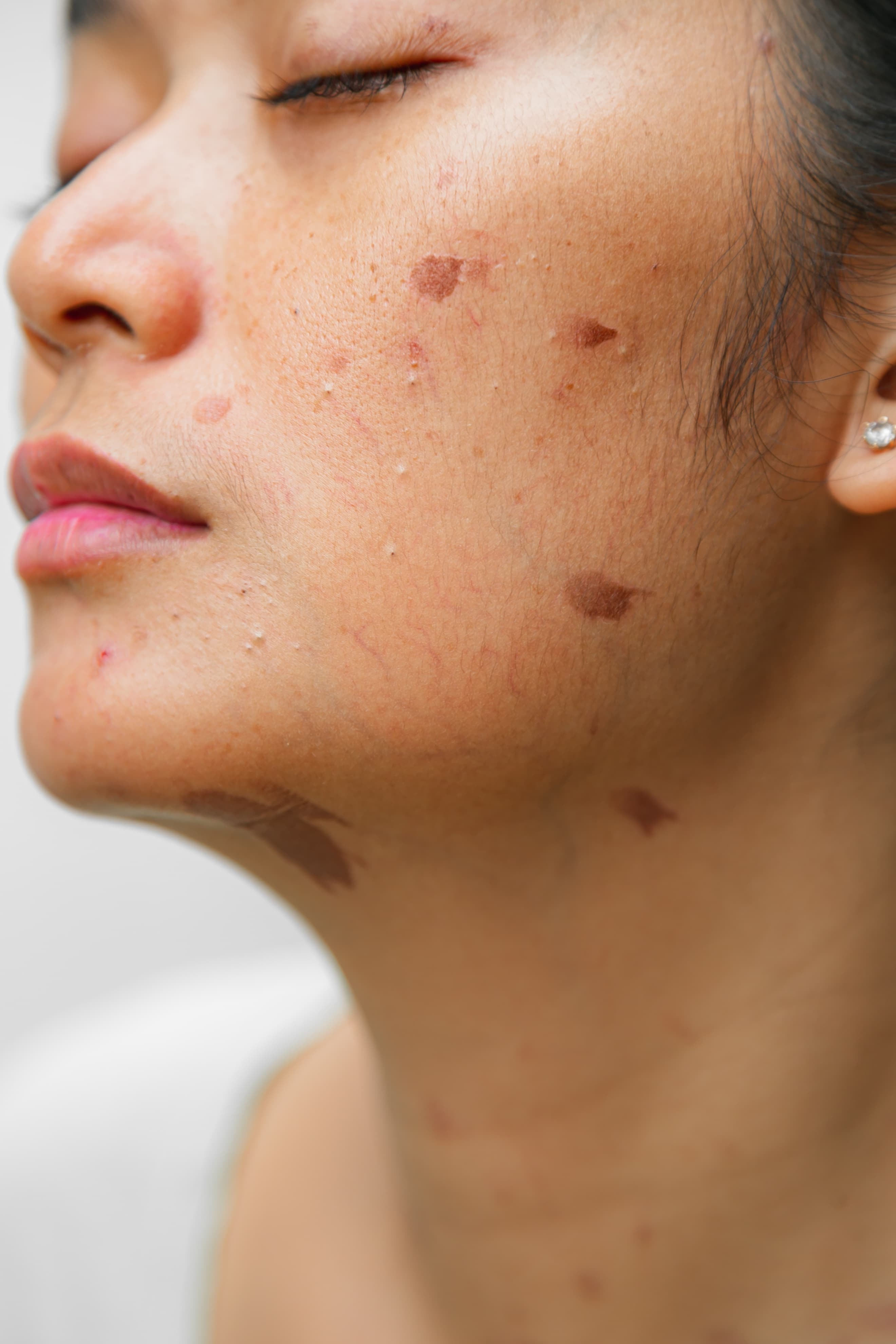
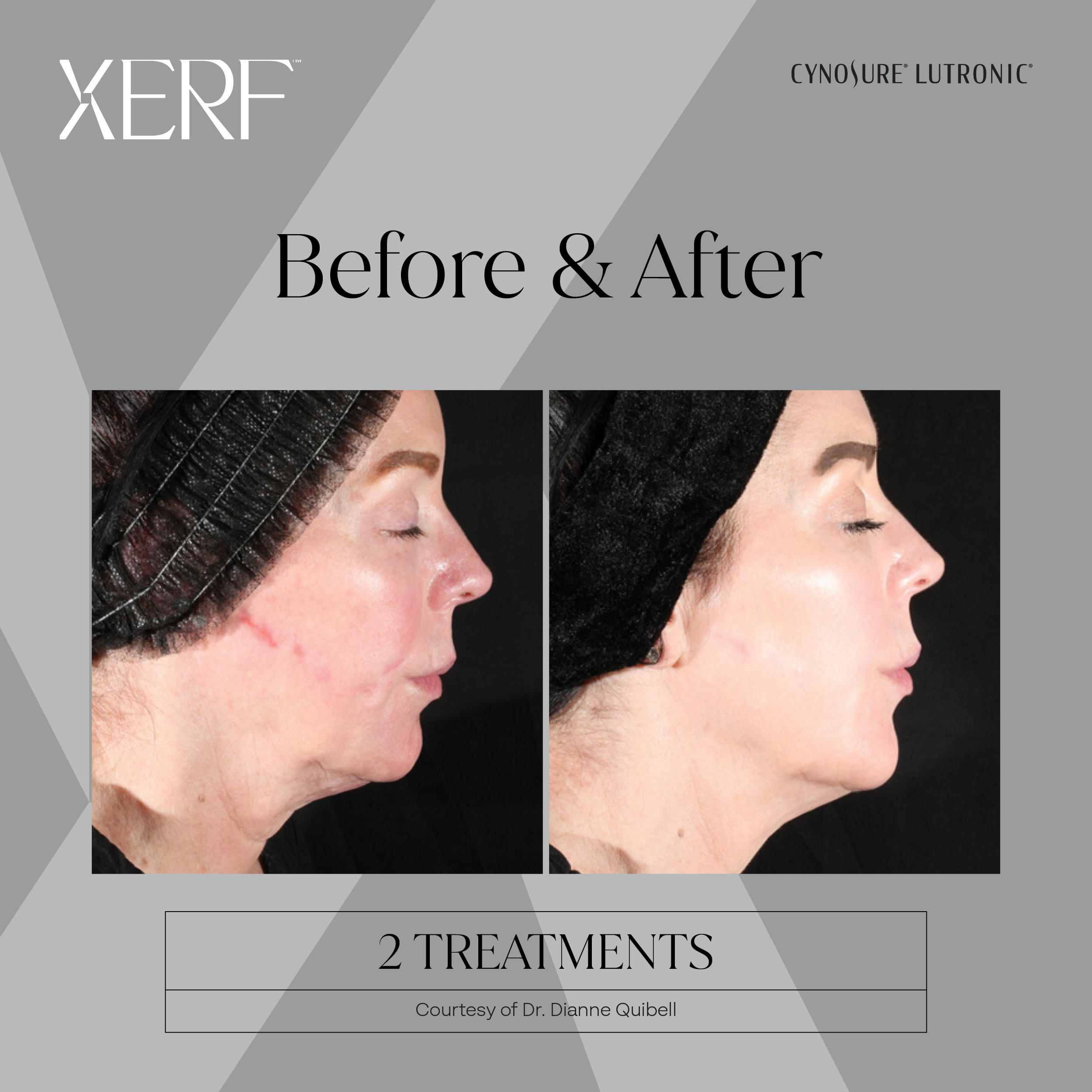
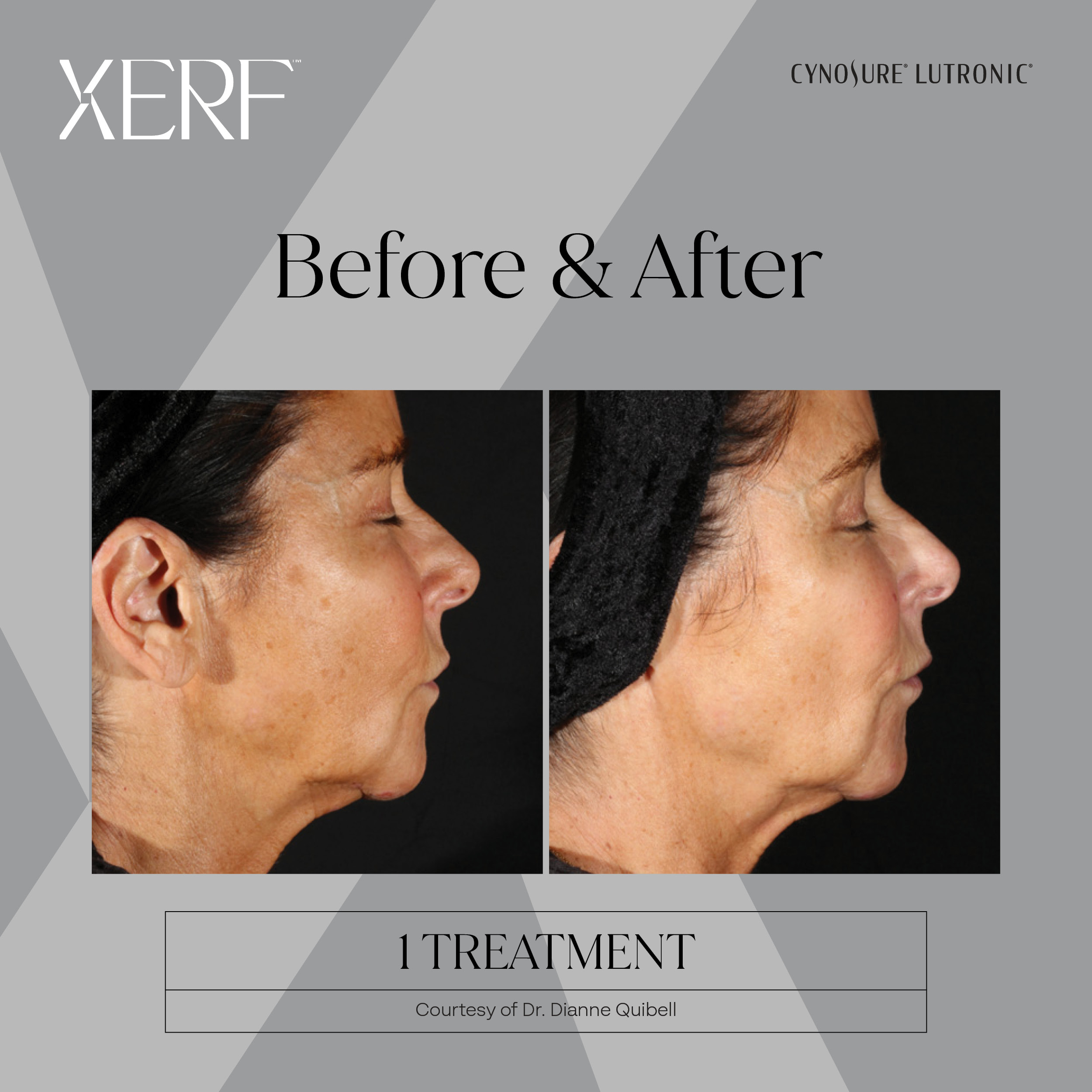
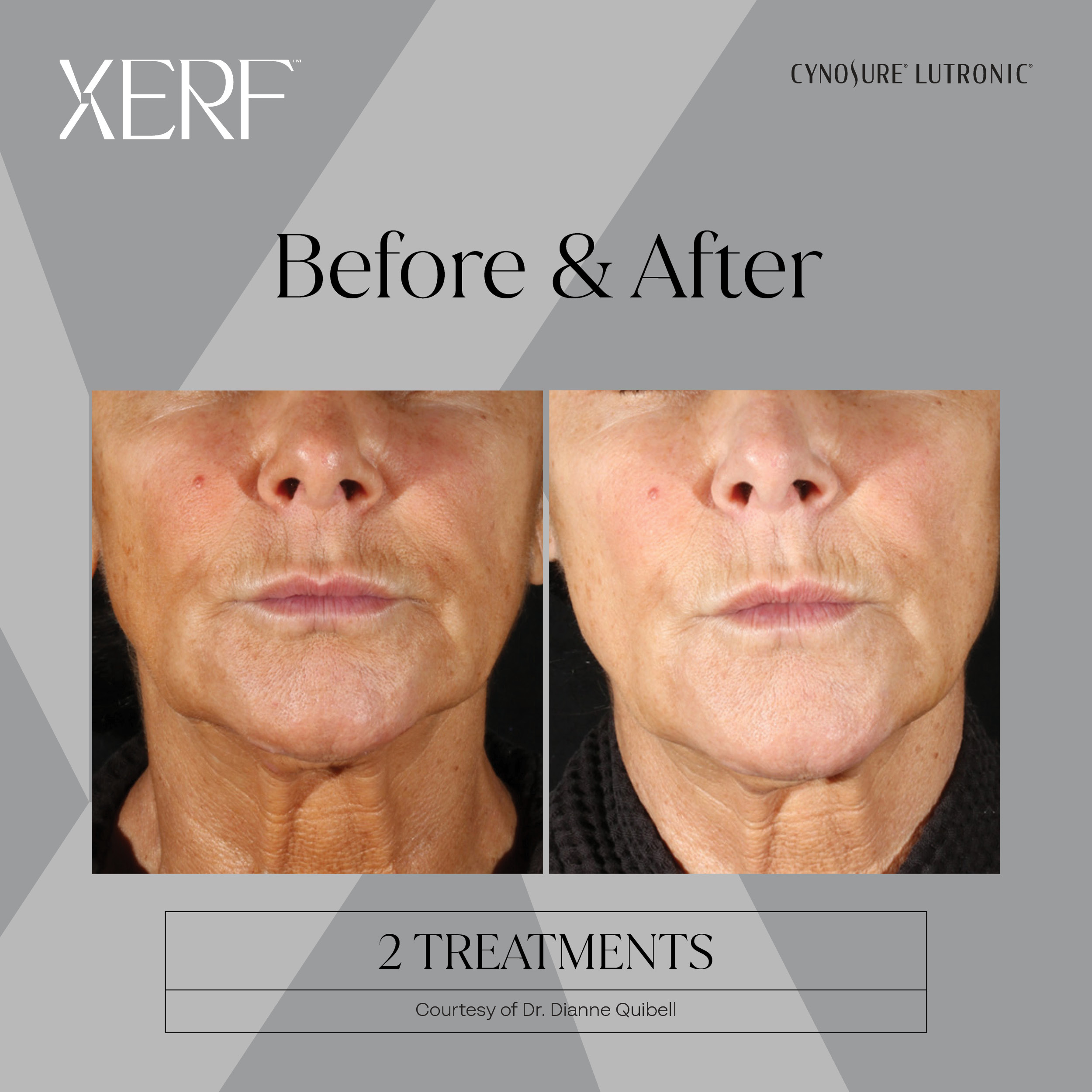
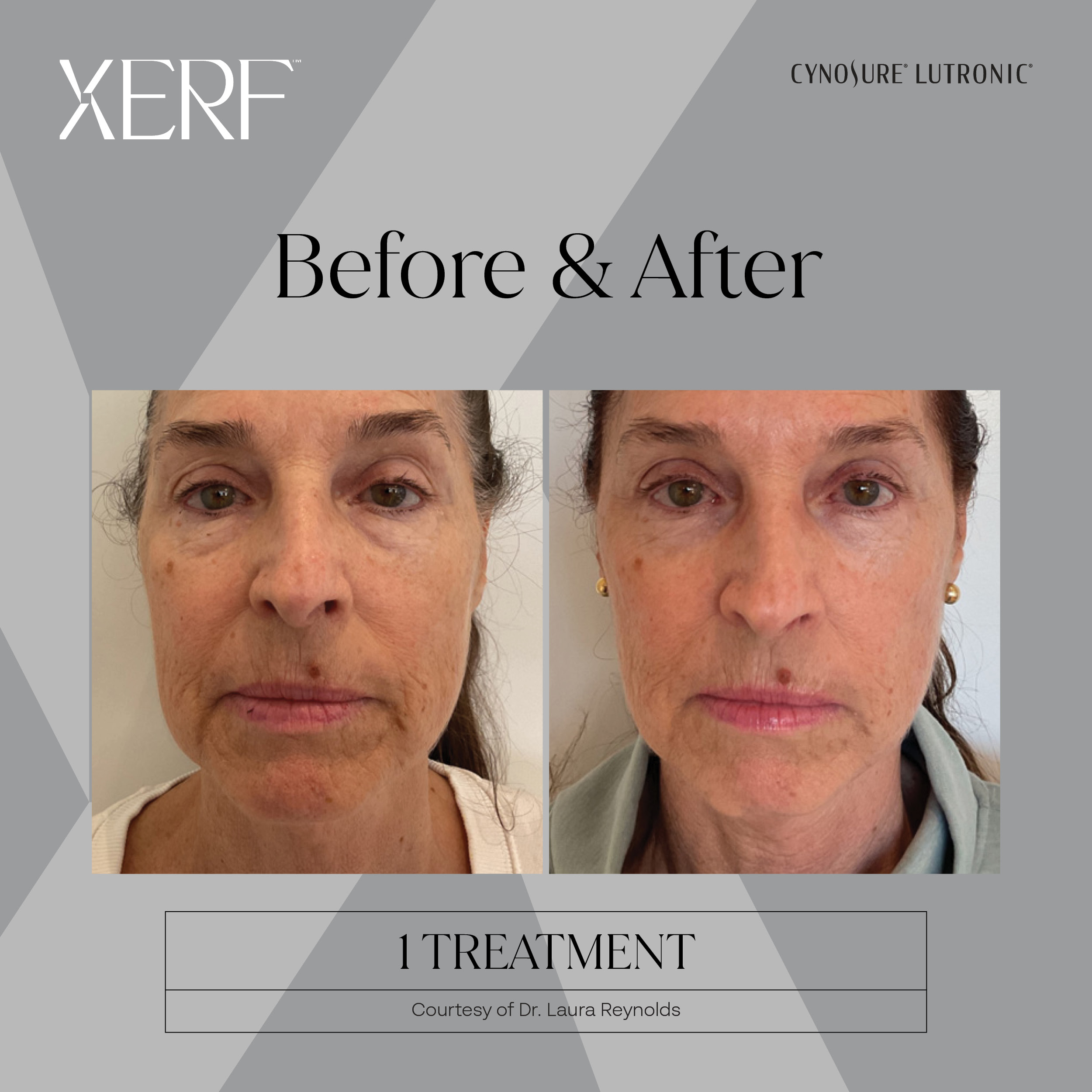
Melasma treatment requires patience and consistency. It's not a one-session fix, and anyone who tells you otherwise isn't being honest with you. What we can tell you is that with the right protocol, real improvement is achievable. Most clients go through a series of sessions spaced out over several weeks, and they see progressive lightening with each treatment as the pigment breaks up and fades.
We also educate every melasma client about the importance of sun protection throughout the treatment process. The laser works to clear the pigment, but UV exposure will stimulate new melanin production, which undoes that work. Broad-spectrum sunscreen every day, without exception, is part of the protocol. It's a partnership between the treatment we provide and the care you take at home, and together they produce results worth getting excited about.
.jpg)

FAQ
FAQs
Answers to your frequently asked questions.
How many sessions will I need?
Most clients need a series of three to six sessions spaced four to six weeks apart. Because melasma is hormonally influenced, maintenance treatments are often recommended after the initial series.
Do I need to wear sunscreen during my treatment course?
Sun exposure is one of the primary triggers for melasma, which is why diligent sun protection is critical during and after treatment. We'll give you specific guidance on what to use and avoid.
Is this safe for darker skin tones?
Yes. The Hollywood Spectra Q-switched laser is considered safe for darker Fitzpatrick skin types when used by experienced practitioners, which makes it one of the better options for treating melasma in clients with more melanin.
Can melasma be permanently cured?
Melasma is a complex condition that can be managed but not always permanently eliminated, especially in clients with ongoing hormonal triggers. Consistent treatment and maintenance can significantly reduce its appearance and keep it controlled.
schedule a consultation today!
.webp)